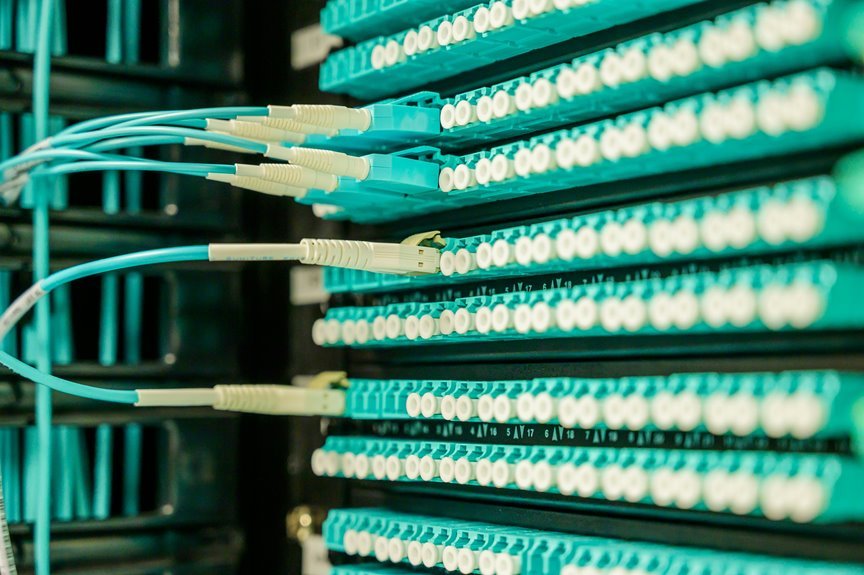
The optimization of smart digital infrastructure is a critical aspect of modern urban development. It encompasses the integration of advanced technologies to enhance connectivity and sustainability. By leveraging IoT and cloud computing, cities can streamline operations and improve resource management. However, the effective implementation of these systems requires careful consideration of emerging trends and strategies. What remains to be explored are the specific methodologies that facilitate data-driven decision-making in this dynamic landscape.
The Importance of Optimizing Smart Digital Infrastructure
How crucial is the optimization of smart digital infrastructure in today’s interconnected world?
This optimization is essential for addressing connectivity challenges while implementing sustainability practices. Efficiently managed digital frameworks enhance resource allocation, reduce energy consumption, and support adaptive technologies.
By prioritizing infrastructure optimization, stakeholders can foster resilience against disruptions, ensuring that the ecosystem remains sustainable and interconnected.
Ultimately, this empowers individuals with enhanced freedom and access.
Key Technologies Driving Smart Digital Infrastructure Efficiency
As organizations strive to enhance the efficiency of smart digital infrastructure, several key technologies emerge as pivotal enablers of this transformation.
IoT integration facilitates real-time data collection and analysis, optimizing resource management.
Concurrently, cloud computing provides scalable storage and computing power, allowing for seamless data accessibility and processing.
Together, these technologies create a robust framework for operational efficiency and informed decision-making in digital infrastructure.
Strategies for Data-Driven Decision-Making in Smart Cities
The integration of advanced technologies in smart digital infrastructure lays the groundwork for effective data-driven decision-making in smart cities.
By leveraging data analytics, urban planners can optimize resource allocation, enhance public services, and improve citizen engagement.
Implementing real-time data collection and analysis fosters informed strategies, enabling responsive urban environments that adapt to evolving needs while promoting sustainability and efficiency.
Future Trends in Smart Digital Infrastructure Optimization
What factors will shape the evolution of smart digital infrastructure in the coming years?
The integration of advanced smart grids will enhance energy efficiency, while innovations in urban mobility will streamline transportation networks.
Key trends include increased automation, data analytics, and the adoption of sustainable practices, fostering resilience and adaptability in urban environments.
These elements will collectively redefine urban living and infrastructure optimization.
Conclusion
In conclusion, the optimization of smart digital infrastructure stands as a beacon of hope for the future of urban living, promising to transform cities into seamlessly connected ecosystems. By harnessing cutting-edge technologies and data-driven strategies, cities can not only enhance operational efficiency but also elevate the quality of life for their residents to unprecedented heights. As urban landscapes continue to evolve, the emphasis on smart infrastructure will be paramount, ensuring resilience and sustainability for generations to come.